
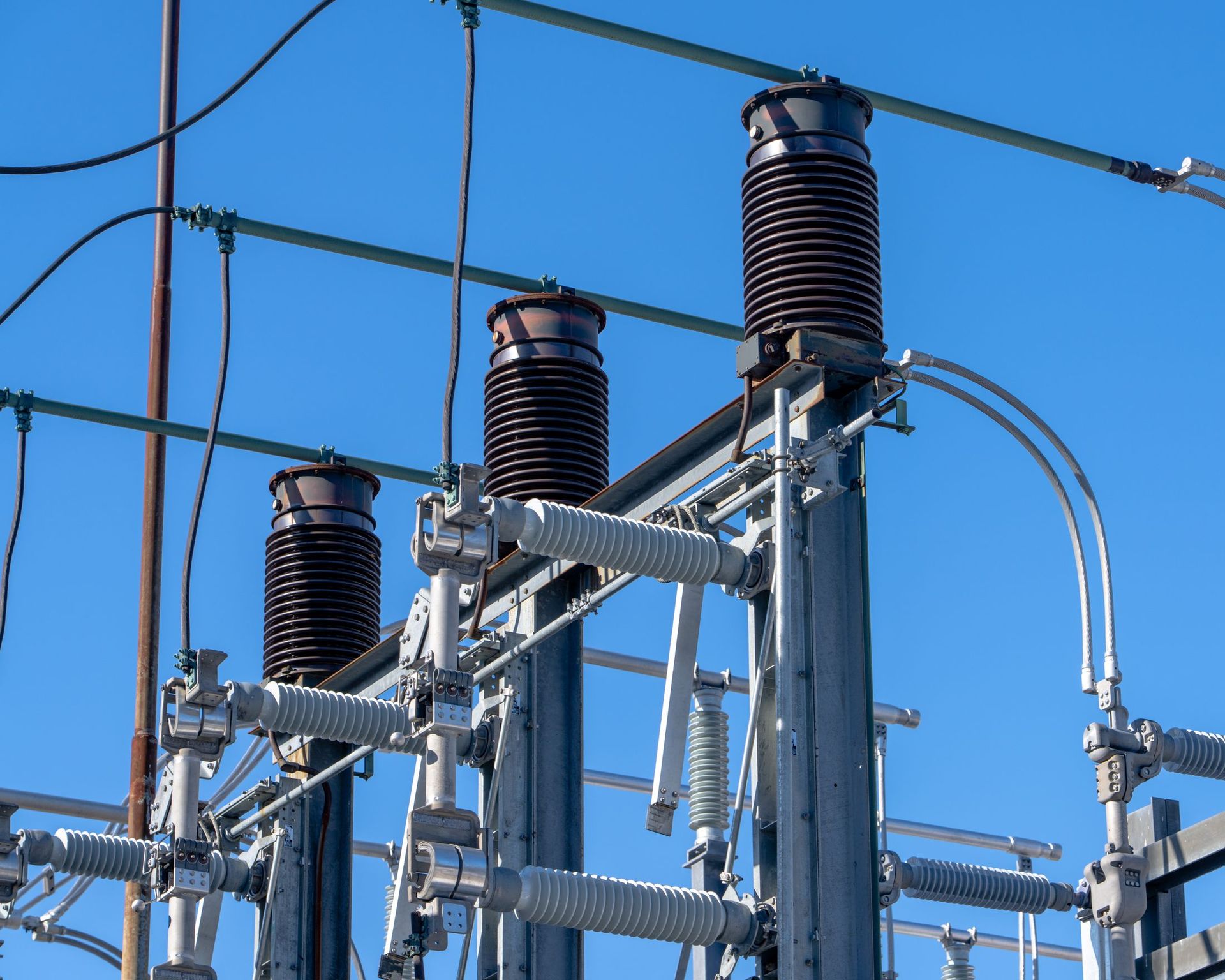
Almost every electrical failure is preceded by heat. A loose connection, an overloaded circuit, an unbalanced phase or a failing bushing runs warmer than its neighbors long before it fails, and the comparison between identical components is what makes the fault obvious.
Surveying that equipment from the air removes the two worst parts of the traditional job: getting a thermographer close to energized gear, and getting them high enough to see the top of it. Equipment is inspected under normal load, which is the only condition in which the heat signature means anything.
Findings come back with spot temperatures, a delta against the reference component, and imagery - the format a maintenance planner can act on and file.
- Power distribution equipment
- Substations
- Transmission and distribution lines
- Transformers
- Switchgear
- Electrical connections
- Loose or corroded connections
- Overloaded circuits
- Phase imbalance
- Failing transformers and bushings
- Switchgear and breaker hot spots
- Distribution and transmission line faults
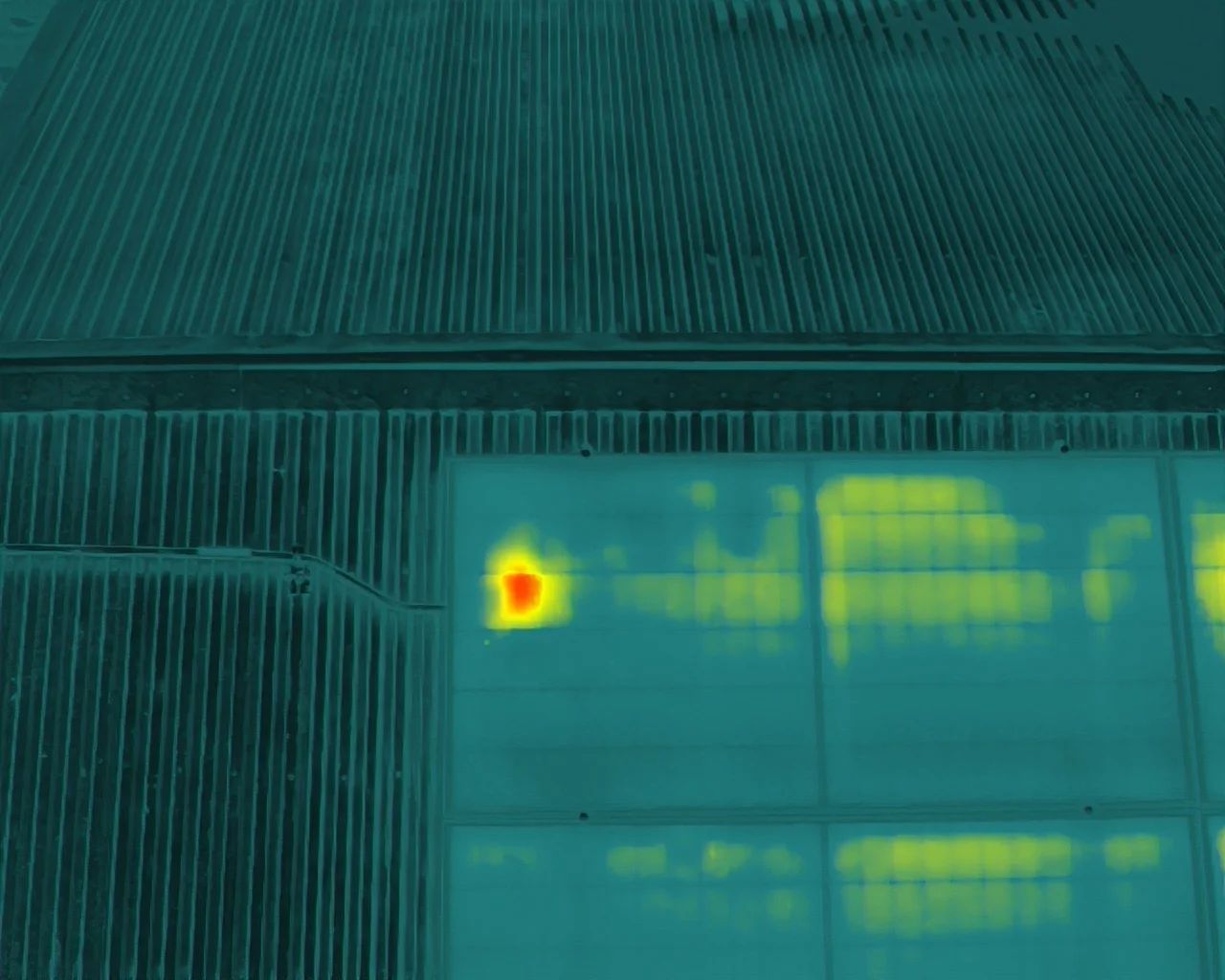
We discuss your goals, your concerns and what the inspection actually needs to answer.
Weather, airspace, site access and safety are evaluated before anything flies. This is the part most operators skip.
FAA-compliant flight operations. Thermal and high-resolution visual imagery collected with professional-grade equipment.
Thermal imagery is reviewed for temperature anomalies and areas that warrant further evaluation.
A detailed report with annotated imagery, observations and findings you can hand to a maintenance team or an adjuster.
Tell me the site, the size and roughly when, and I will come back with a number and a recommended flight window.